
Maximize safety. Extend your truck tyre life
Instruction of how to properly operate and maintain truck tyres
Proper tyre operation and maintenance involve consistently inspecting tyres for wear or damage, maintaining the correct air pressure according to manufacturer specifications, and adopting safe driving habits to minimize unnecessary stress on the tyres. It also includes rotating tyres at recommended intervals, ensuring proper wheel alignment and balancing, and addressing any issues such as punctures or uneven wear promptly. By combining routine checks with responsible vehicle use and timely servicing, drivers can ensure optimal tyre performance, safety, and longevity.

MOUNTING
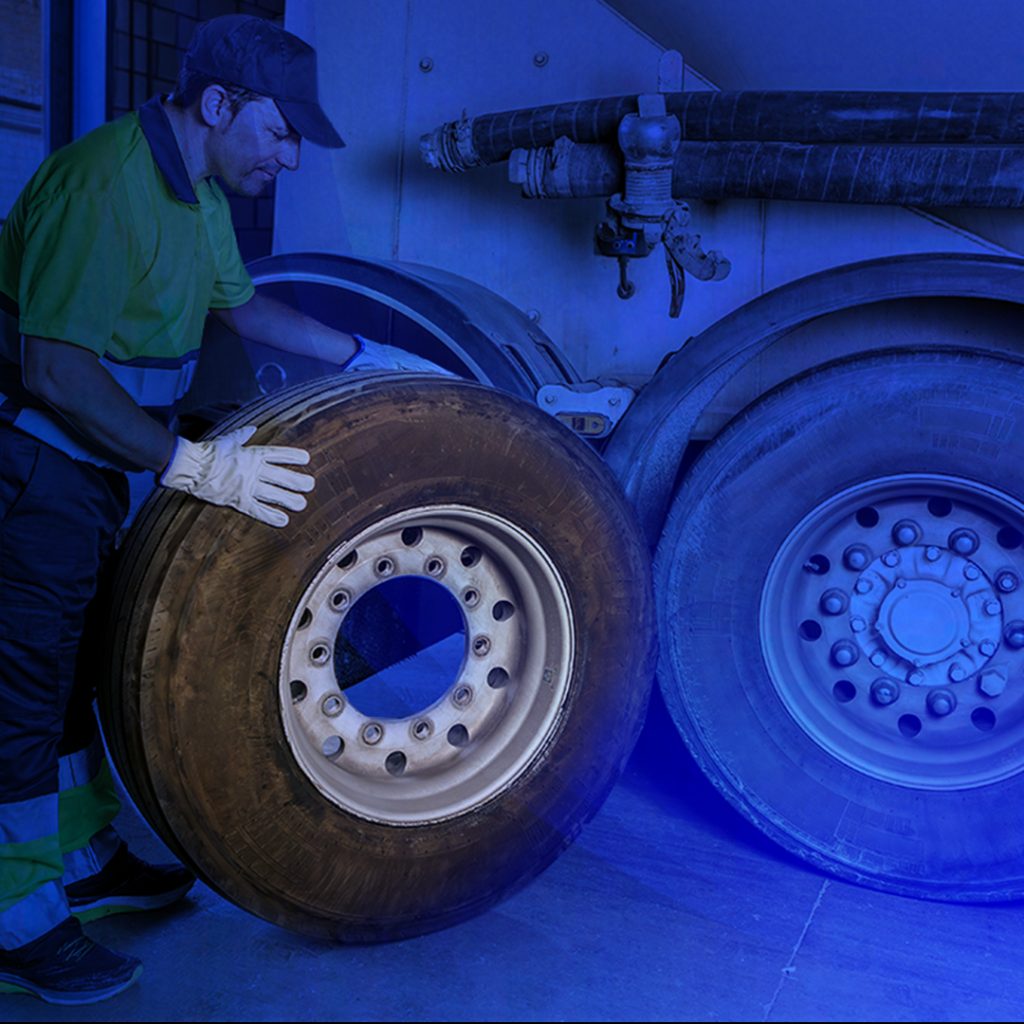
Use a dedicated tyre mounting paste free of petroleum-based products, which dries quickly and does not damage the tyre rubber or the wheel rim surface.
Perform mounting using professional tyre service tools, ensuring correct tyre and rim compatibility.BALANCING
Balance all single wheels (steering, trailer and auxiliary axles) using appropriate balancing weights.
Proper balancing reduces vibrations, ensures uniform tread wear and minimizes loads on the suspension system and wheel bearings.INFLATION
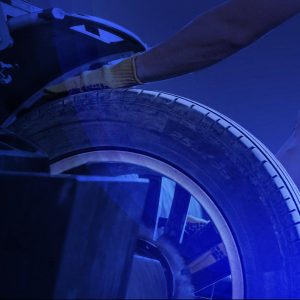
After mounting, initially inflate the tyre to a pressure of 1.5–2.0 bar and check that both beads are correctly and evenly seated on the rim.
Place the wheel in an approved inflation safety cage and inflate it to the recommended operating pressure, taking into account the tyre size and axle load.Measure tyre pressure only with a calibrated pressure gauge when the tyre is cold (at least approx. 3 hours after operation).TIGHTENING
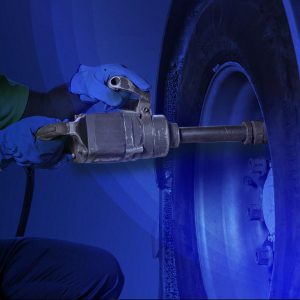
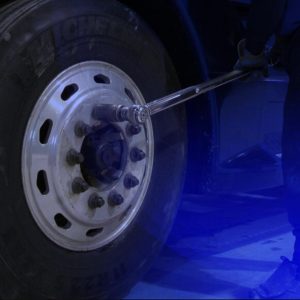
For final tightening of the wheels, use a calibrated torque wrench and follow the tightening torque values specified by the vehicle and rim manufacturers.
For safe operation, recheck wheel tightening after 50–100 km of driving.
ROTATION / POSITION CHANGE
Rotate single tyres on the steering axle and auxiliary axle (tractor unit) 180° on the rim, keeping them on the same axle and on the same side of the vehicle.
For rear dual tyres: move inner tyres to the outer position and outer tyres to the inner position, exchanging sides on the axle.
Rotate semi-trailer tyres as follows:
– first axle – rotate tyres 180° on the rim, keeping them on the same axle and on the same side;
– second axle – rotate tyres 180° on the rim and move them to the third axle on the same side;
– third axle – rotate tyres 180° on the rim and move them to the second axle on the same side.
Perform tyre rotation every 10,000–15,000 km or during scheduled maintenance.REGROOVING
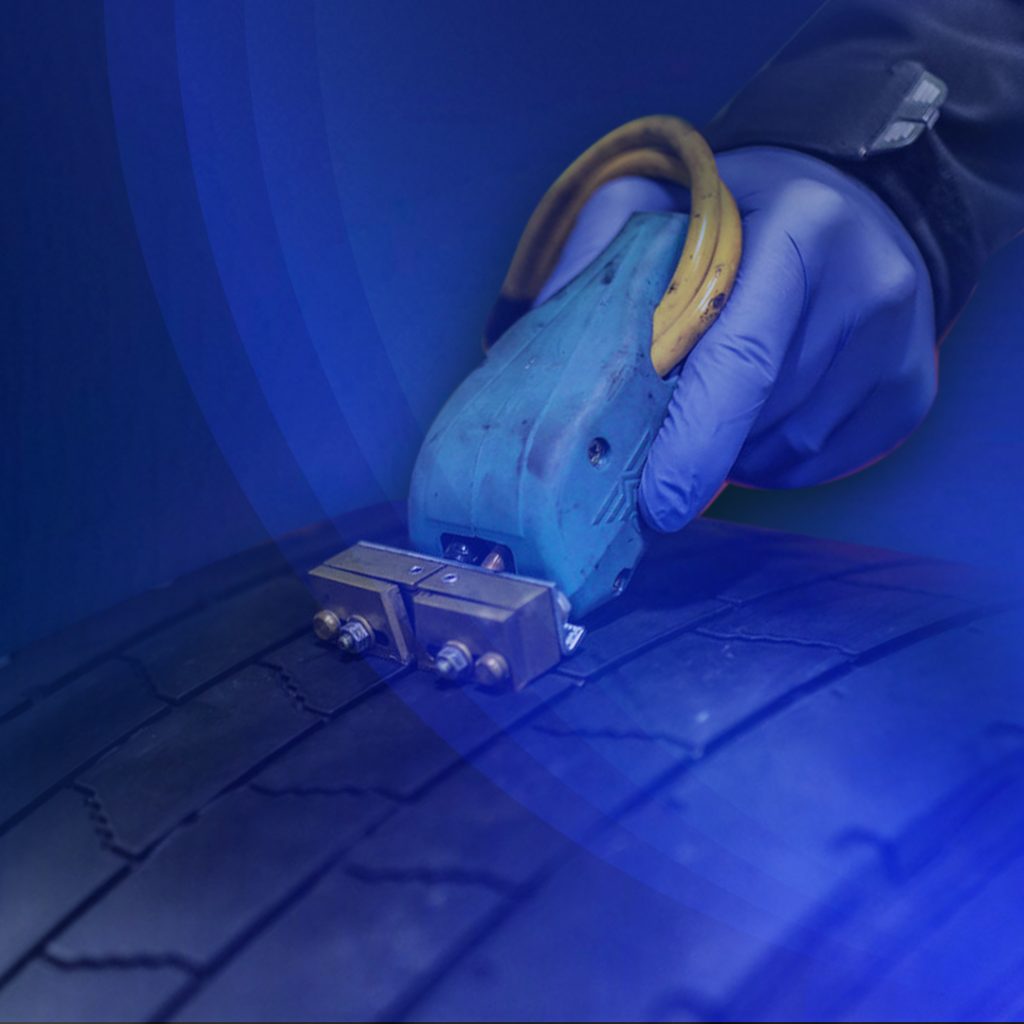
When the remaining tread depth reaches 4–5 mm and the tyre shows no damage, perform tread regrooving to improve traction and extend tyre service life.
Carry out tread regrooving in accordance with the tyre manufacturer’s recommendations, using groove indicators and approved regrooving patterns.ADDITIONAL SAFETY
Prior to operation, regularly inspect the condition of the tyre and use only tyres in proper technical condition, free from visible deformation or structural damage.
Prior to mounting and inflation, ensure that the internal surfaces of the tyre and the wheel rim are clean to ensure correct bead seating and airtightness.
During operation, maintain the recommended operating pressure in accordance with axle load and operating conditions.
Check and adjust tyre pressure only when the tyre is cold (minimum approx. 3 hours after operation), using calibrated measuring devices.

Partner With Us
Let's have a conversation and discuss how we can be helpful for your business